sugar sk*-*lls – explicit ethical agent

For the unfamiliar, sugar sk*-*lls is the moniker of Ben Marcantel, an electronic musician that has been creating a slew of music since 2010’s release Another Michael Mann Film. He’s collaborated with Matt Glassmeyer (Meadownoise) and Lindsey John (NUDITY) on his track “Tethers“, as well as Coupler and Lylas on “Right Hand Hand“, not to mention the slew of original compositions along the way. Stylistically, he’s likely most known for making work that falls somewhere in the chiptune arena but this classification has become woefully inaccurate over the past few years as he explores new instrumentation, implementation and experimentation.

The latest release, explicit ethical agent, not only pushes the envelope of styles Sugar Sk*-*lls participates in, it poses much larger questions about the creative process and the intrinsic nature of the decision making process.

That all sounds very heady, I know, but knowing a little background on the album helps to simplify and clarify the inquiry. In mid 2018, Marcantel starting playing around with Google’s Magenta AI for Musicians, a set of tools that generates a composition based a combination of rules derived from 10,000 classical recordings and an input from the user. Sugar Skulls input a single chord of his choosing, received a generated composition from the AI and ran that through his usual synthesizer. In his own words, “The program was responsible for the content of the relationships between the notes; pitch, duration, rhythm, frequency, etc.” That being the case, was this Sugar Sk*-*lls music at all?

From a purely subjective point of view, the album sounds fine. It doesn’t feel particularly tied to the decade of work that came before it, nor does it feel completely alien within that context. It’s interesting at times and needlessly meandering at others. That being said, had I not known of the specific creation process for this music, maybe I would feel differently, there is no way to know now.

In the liner notes for the album (preserved in full below) there is more background about the creation process and the questions the output puts forth. What would the result be if the AI was seeded with all the previous works of Sugar Sk*-*lls? Would the output be more aligned with expectations and, if so, would that make it anymore “true” to his body of work? If the output required no additional seed of input (i.e. the chord provided), would that make the generated composition any less original?

Marcantel summarizes the situation quite eloquently in final writeup for the album; giving a much broader viewer of the situation at hand than just one musician tinkering around:

The creation of music is not just bound to the musician’s ability to perform an idea on an instrument or knowledge of music theory, but also the distillation of a musician’s stylistic influences. A tool that can manipulate content via styles like swatches on a palate already exists for image creation. However, just as deceased musicians can be made into holograms that tour previous material and generate revenue without the musician’s explicit consent, the stylistic essence of a musician can potentially be quantified and made to output new works without the musician present. The technology will present new methods to exploit musicians and create new modes of expression. Ultimately it will further blur the lines of listening to and creating music, which is a kind of subversion I fully support.

Just as Netflix and YouTube suggest content that you may like based on previous viewings, it’s entirely plausible that services like Spotify or Apple Music will begin to deploy original, generative, music that is seeded from your previous listens. In fact, that’s already happening. Sugar Sk*-*lls foray into this world may not have created music that can be definitively attributed to Marcantel but it certainly poses some interesting questions.


explicit ethical agent liner notes in full.

On April 1st of 2018, I spent a few hours using a browser-based software program that can create potentially endless compositions. The program uses machine learning and a database of classical scores to write its own musical rules deciding how and what notes should follow previous notes to complete/continue a musical phrase. During the process, I had a few questions: Is this music? Is this Sugar Skulls music? What are the implications if the listener answers yes to either of those questions?

Traditional computer programs are given a set of rules to execute a designated end. The ability of a program to execute its goal successfully is dependent upon the ability of the programmer to abstract the goal into a set of repeatable rules and to define the conditions in which those rules exist. The program should accomplish the goal explicitly and only that goal, programs bugs are unexpected behavior from actions or unaccounted conditions. Simple repeatable actions occurring within a limited set of conditions are ideal for traditional programming methods.

Western music theory is one attempt at formalizing musical creativity/expression and could be thought of as a series of rules derived from the analysis of compositions. Compositional rules like scales, modes, chord resolutions, rhythmic patterns, etc. describe a method of organization for an expected repeatable musical output. However, a large portion of music theory explores how and when to subvert its own rules. The creative act for the musician is not the execution of musical rules but the combination, mutation, organization, and disregard of musical rules according to stylistic taste.

The mathematical nature of musical harmony would seem to suggest the composition of music could be an ideal candidate for automation. However, the problem of how to automate the stylistic decisions a musician might make in regard to composition into a set of rules is exponential. This reducibility problem means automation in music has been applied to limited aspects of composition. Machine learning works with an opposite approach. Rather than a programmer define every action for every condition, a program is given a large number of examples of what its output should be and it devises its own rules to create the expected output. Simplistically, the larger and more varied the data set of examples is the more likely the desired output will be achieved.

The program I used was built using Google’s Magenta AI for Artists tools. The programmer’s data set was approximately 10,000 classical musical scores. The interface is a visual representation of a piano keyboard. The user selects a set of notes and the program composes music based on those notes. The output can be either sound or MIDI note information, so I sent the MIDI notes into the synthesizer that I typically compose with. Because Sugar Skulls compositions are modal, with each composition limited to a range of notes, I input a single chord for the program to use to generate the compositions of each track based on my own stylistic taste. The result is an album of the compositions generated by the AI program, played through a synthesizer patch.

I was curious how the result would mirror my own output as Sugar Skulls. If the result did not meet my expectations, how and what should be altered until the music felt like it met the abstract intuitive rules of my own stylistic taste. As mentioned, I chose the kinds of chords the compositions were derived from, as well as the sounds the compositions were performed with. The program was responsible for the content of the relationships between the notes; pitch, duration, rhythm, frequency, etc. I resisted the impulse to edit out perceived mistakes or arrange the output via sampling. The listener can make their own judgment as to whether the result is Sugar Skulls music or an interesting experiment.

Since I used the beta version of this program, many tools are now available that use similar technology to aid musicians in quickly generating many of the surface-level steps in music composition. It isn’t difficult to envision any number of dystopian scenarios where this kind of technology is exploitative. Given the model the program is built on, a logical leap would be to replace the data set with my own (or any musician’s scores) as the expected output. Another leap would include analyzing sound wave information to find what types of timbres or instrument sounds a musician chooses based on compositional conditions. Finding the threshold at which a musician’s style can be recreated is a loaded possibility.

Sampling in music has been a contentious topic since the introduction of the technology that makes it possible. One side considers sampling to be theft while the other considers it transformative recontextualization that is another tool of expression. There is no clear way to unpack who gets to decide who owns a work and what constitutes an original work. Machine learning presents the problem of a different kind of sampling. Rather than the appropriation and manipulation of sound artifacts, the stylistic approach of a musician can be appropriated to generate new content.

As the technology matures and improves, it will invariably alter the nature of musical creativity. The introduction of photography and the technology’s ability to render an image of an individual didn’t make portrait drawing and painting redundant. Photography changed and opened up the possibilities, meaning, and purpose of human rendered forms. In the case of music, AI driven compositional technology could have a democratizing effect on the creation of music. The creation of music is not just bound to the musician’s ability to perform an idea on an instrument or knowledge of music theory, but also the distillation of a musician’s stylistic influences. A tool that can manipulate content via styles like swatches on a palate already exists for image creation. However, just as deceased musicians can be made into holograms that tour previous material and generate revenue without the musician’s explicit consent, the stylistic essence of a musician can potentially be quantified and made to output new works without the musician present. The technology will present new methods to exploit musicians and create new modes of expression. Ultimately it will further blur the lines of listening to and creating music, which is a kind of subversion I fully support.
Spewfest V Lineup Announced

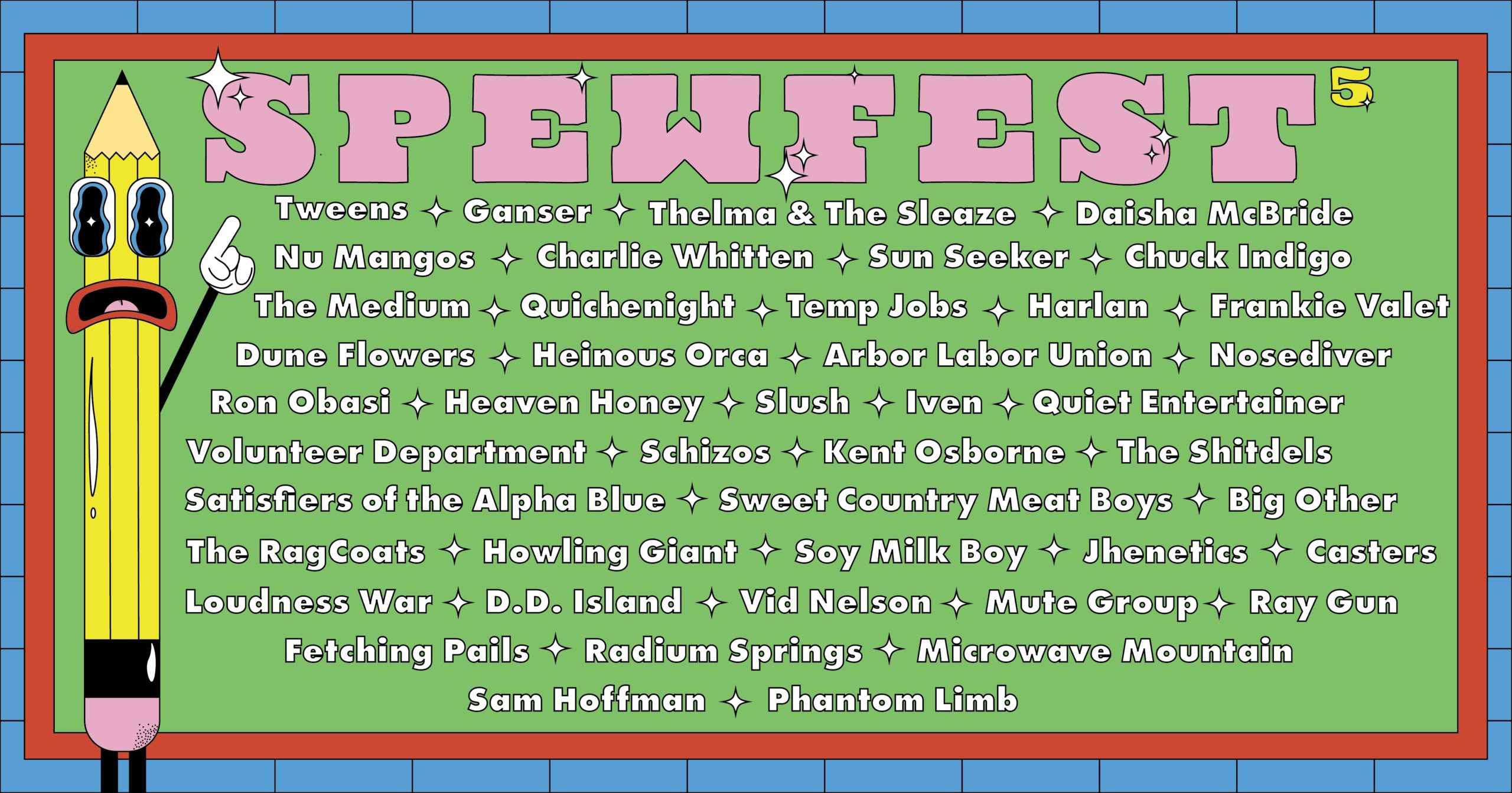
The folks at Cold Lunch Recordings have officially announced the lineup for Spewfest 5 and it is, as expected, quite a doozie. The barrage of performances takes place on February 8th between multiple stages at The Cobra and The East Room. You can, and absolutely should, RSVP to the event over on Facebook.

The announced lineup can be seen in the above graphic but here it is again in impressive list format:

  • Sun Seeker
  • Thelma & The Sleaze
  • Ganser
  • Daisha McBride
  • Microwave Mountain
  • Nü Mangos
  • Chuck Indigo
  • Satisfiers of the Alpha Blue
  • Sweet Country Meat Boys
  • Tweens
  • The RagCoats
  • Howling Giant
  • Phantom Limb
  • Soy Milk Boy
  • D.D. Island
  • Kent Osborne
  • Heaven Honey
  • Charlie Whitten
  • The Shitdels
  • Loudness War
  • Jhenetics
  • Radium Springs
  • Quichenight
  • The Dune Flowers
  • Temp Job
  • Harlan
  • Ron Obasi
  • Quiet Entertainer
  • Nosediver
  • Heinous Orca
  • Frankie Valet
  • Arbor Labor Union
  • Mute Group
  • Fetching Pails
  • Iven
  • The Medium
  • Slush
  • Vid Nelson
  • Sam Hoffman
  • Volunteer Department
  • Schizos
  • Casters
  • Big Other
  • Ray Gun

As with previous Spewfest undertakings, it’s likely that more details will be announced over the coming month so you’d be wise to follow @spewfest on Instagram for the latest and greatest.

Lava Gulls – “Piano Song”

Back in July of 2019, Lava Gulls released their excellent full-length album Glass Negative. It’s a brilliantly layered and textured collection of songs filled with beats to get you moving, overlaid with yearning and melancholy vocals. It’s often a cathartic listen that builds into explosive releases of smiling optimism. It’s also filled with traces of something darker and haunting under the surface.

The follow-up to that release came in November with the fifteen-minute meditation track “Piano Song.” The instrumentation deployed here is much the same as Glass Negative but the tactics are nearly the opposite. Where the prior album contains sub-five minute dance jams, here we have a sprawling bed of tones peppered by a sparse piano. There is no build and release but, rather, a landscape of quiet sound meant to slowly envelope you with subtle changes. Around the ten minute mark, the track begins to simultaneously decompose and open up with more layers; carrying the listener through to the end with a warbling wave goodbye.

As a new year begins, it’s good to slow down, take inventory of everything around you and maybe even consider a little bit of self-care. Slow paced ambient music can provide a backdrop for letting the world around you fall away and open that door to introspective and relaxation. Lava Gulls has provided us with both a collection of upbeat bangers and come down decompression; a well rounded listening experience through both releases.

SHOTS! Champagne Edition with Nicolette Anctil

After a night of partying on the town, hosts Mike and Kenneth bring back the ultimate wine professional, Nicolette Anctil of Husk for a quick salute and tribute to the time-worn New Years tradition: popping bottles of Champagne! This is the sound of a hotel room on New Years eve at 1:30 in the morning. Happy New Year from Liquid Gold!

Music by Upright T-Rex Music.
Logo by Jess Machen

178: A Dumb Dumb Chats About Generative AI

Believe it or not, this is the fifty-second episode of WOTT Music for the year. That’s one episode for every single week of the year featuring between six to eight songs from the Nashville area. We’re proud of the showcase we’ve built here and even prouder to report that compiling the music each week gets easier and easier as Nashville is a veritable landslide of diverse new music. Thank you for listening and thank you to all the bands that continue to make our city so much more than the pigeonholed stereotype the world thinks it is.

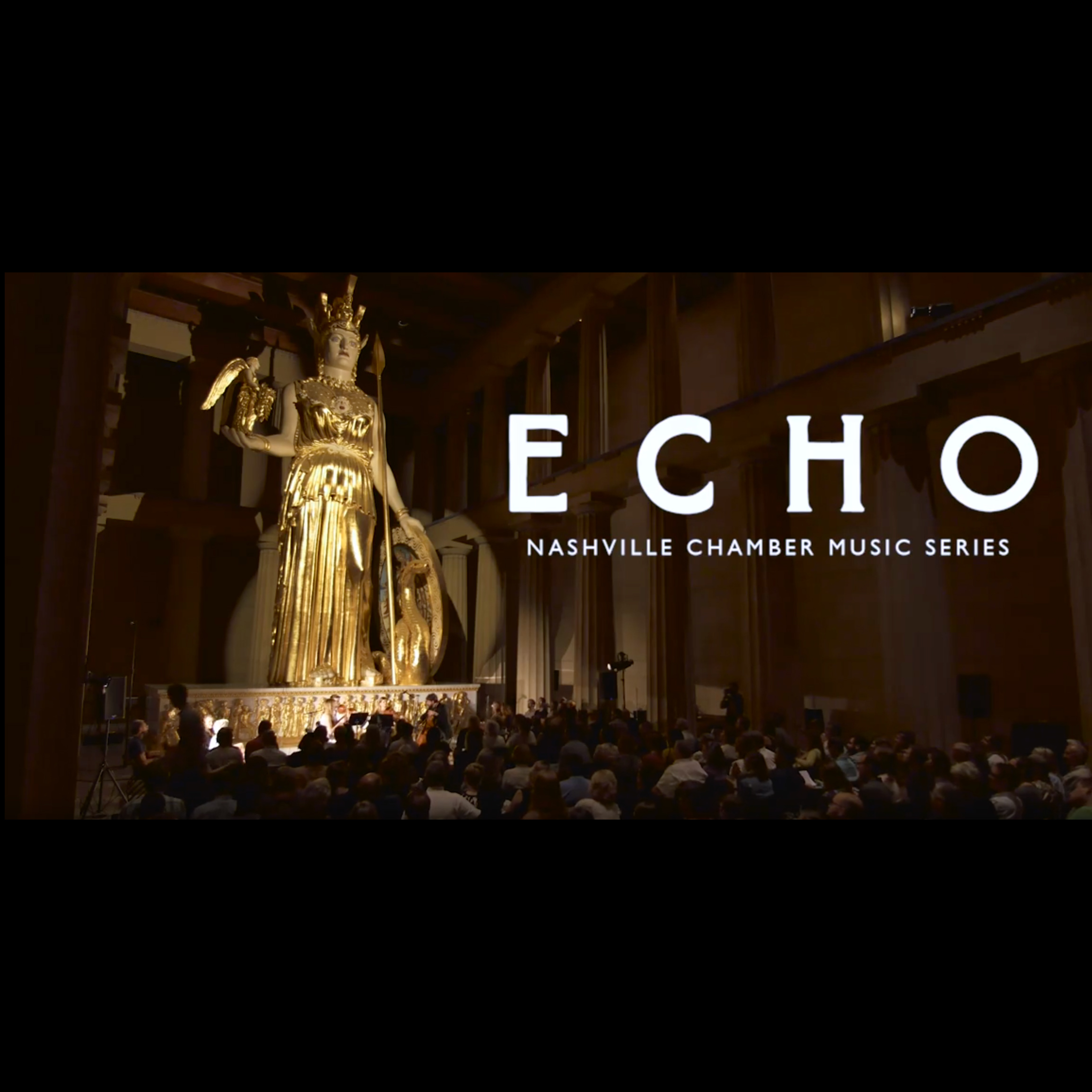
For our final episode of the year we manage to play a sexy new one from Snake Cheney, a peppy diddy from the Los Colognes vault, an unearthed gem from the R. Stevie Moore archives courtesy of To-Go Records, a beautifully contemplative ambient piece from NGC 4414, a generated selection from Sugar Skulls (or is it?) and a stunning composition from Larissa Maestro courtesy of Nashville Chamber Music. In terms of exemplary episodes that embody the greatness our city offers, this is an excellent one if we do say so ourselves.

Follow us or submit your music:
Facebook: /weownthistown
Twitter: @weownthistown
Instagram: @weownthistown

Snake Cheney – “Penny”

Los Colognes – “Now That You’re Gone”

R Stevie Moore – “Advertising Agency of F King”

NGC 4414 – “Abstractions”

Sugar Skulls – “Pearls Like Sand”

Larissa Maestro – “Echo + Hera”

“Main Theme” by Upright T-Rex Music

Cover Image: Nashville Chamber Music.

Less Than the Gestation Period of an Elephant

In a special holiday episode, the guys discuss updates on Face the Music, the announcement of a new composer, Keanu Day, and the benefits of low-key fandom in the wake of the release of the latest Star Wars.

177: 2019 Highlights with Lance Conzett, Part 2

If you haven’t heard Part One yet, give it a listen.

Bon vivant Lance Conzett returns for Part Two of the 2019 Highlights rundown. As with the previous episode, this is decidedly not a Best Of episode (we don’t agree with such subjective rankings) but simply a group of songs worth taking note of from the year. There’s plenty more where this came from as Nashville has proven over the past 12 months to be a boundless well of enjoyable and diverse creations.

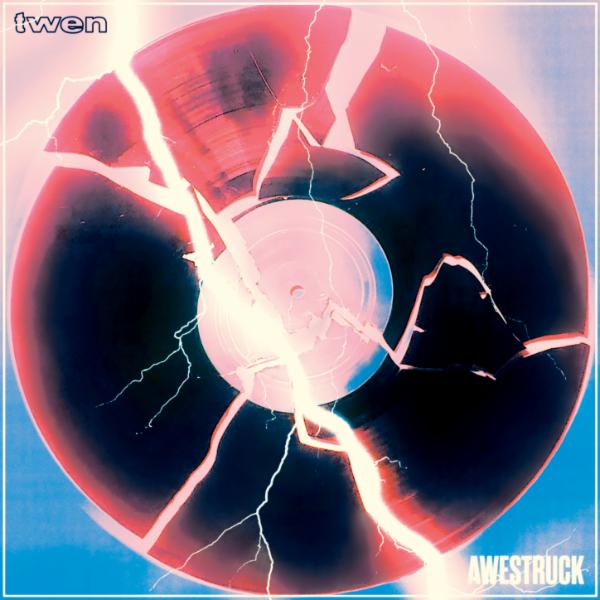
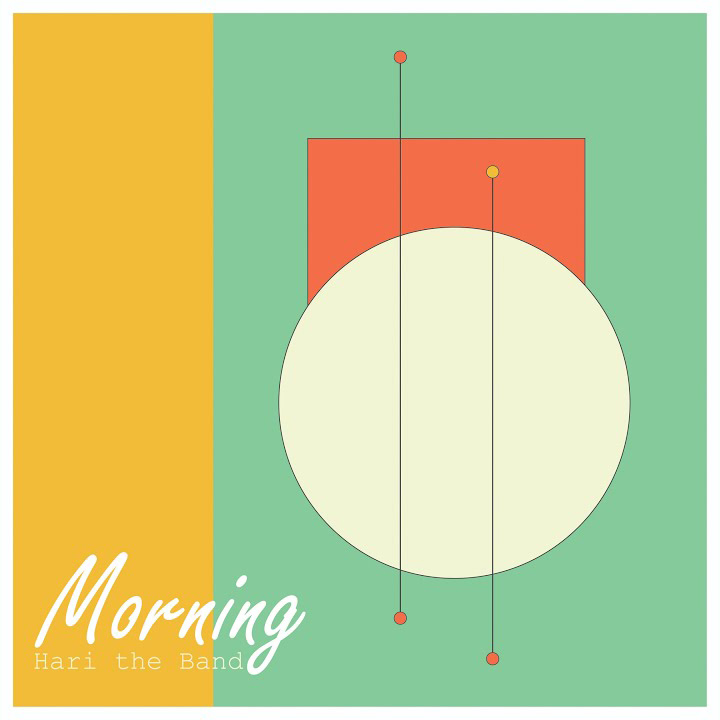
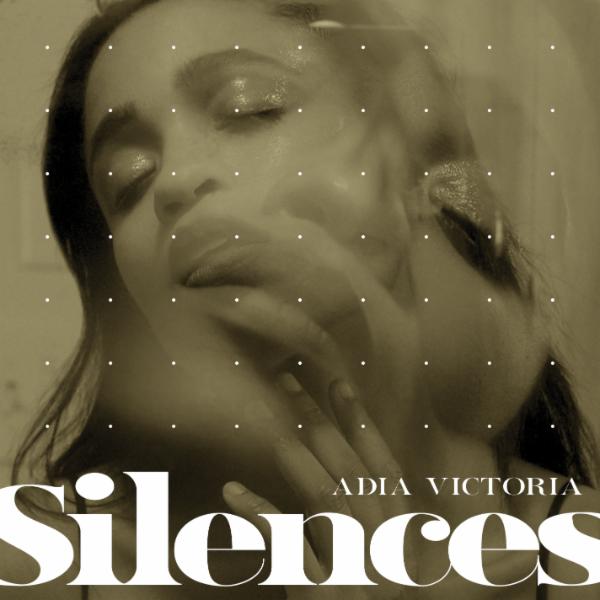
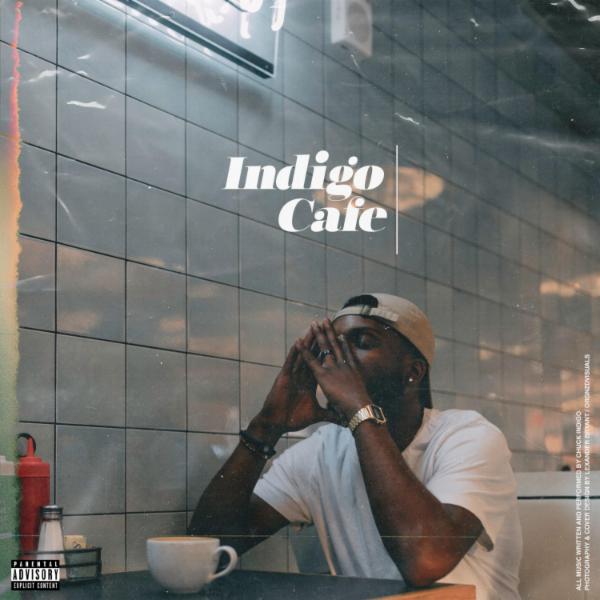
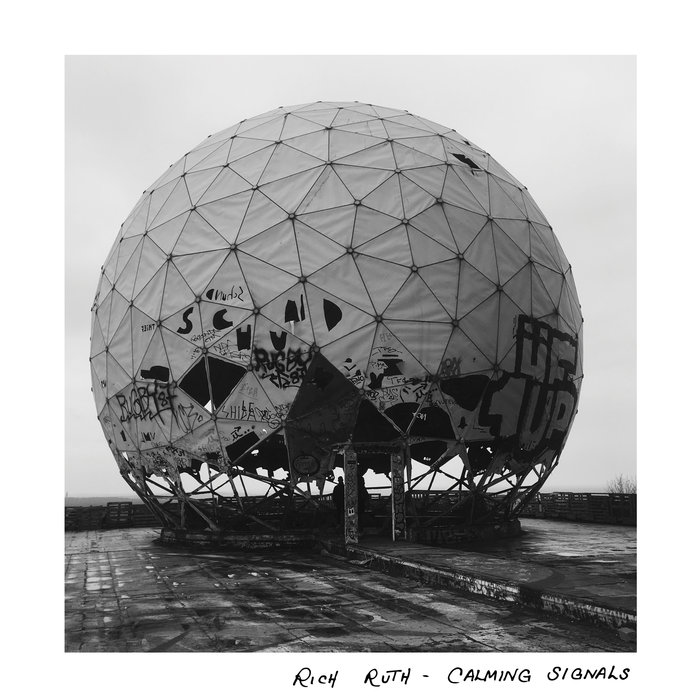
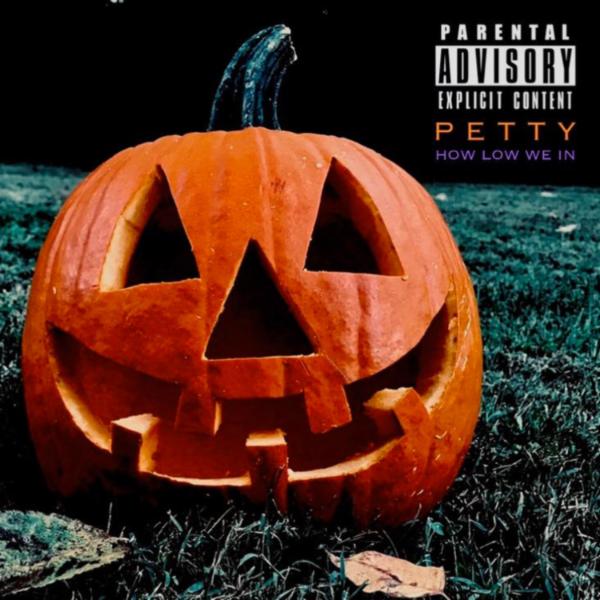
These eight tracks (sixteen total counting the previous episode) give a small glimpse at that diversity as we cover a range of styles from the Delightfully Weird Indie to Sinister Blues Inspired Rock to Calming Ambient music and even Gripping Conceptual Hip-Hop. See the links below to dive into more music from each of the releases from Twen, Hari, Ziona Riley, Adia Victoria, Thad Kopec, Chuck Indigo, Rich Ruth and Petty.

After partaking, take some time to relax, do nothing and then dive into the WOTT Music archive for even more phenomenal music released throughout 2019.

Follow us or submit your music:
Facebook: /weownthistown
Twitter: @weownthistown
Instagram: @weownthistown

Twen – “Damsel”

Hari – “When the Light Comes In”

Ziona Riley – “Bury This Heirloom”

Adia Victoria – “Different Kind of Love”

Thad Kopec – “Its Been Said”

Chuck Indigo – “Overtime” feat. Tim Gent

Rich Ruth – “Haynes Manor”

Petty – “Dracula”

“Main Theme” by Upright T-Rex Music

R. Stevie Moore – Lets!

If we’re being honest, a new release from R. Stevie Moore is a very commonplace occurrence. It’s unclear if there’s any sort of official count on his discography but it certainly exceeds 400 albums at this point. It’s an onslaught to keep up with but, quite frankly, always manages to offer something worthwhile.

Let’s is the latest release from the deep well of Moore and the fourth official release for To-Go Records. Technically a compilation, these thirteen tracks are previously unreleased gems from various releases from the 70’s through the 90’s. The album was curated by Moore himself, so one must assume that despite their lack of release, they hold a special place even for him.

The signature R. Stevie Home Recording Styleâ„¢ is ever present throughout the record but Moore’s pop brilliance cuts through on almost every track. “Advertising Agency of F King” is a personal fave and proves the notion that you don’t need fancy recording gear to capture a memorable, catchy and enjoyable song. There’s generally a touch of humor or tongue-and-cheek delivery within most of his oeuvre but tracks like “Think About Living With Me” crack through that veneer just a little and allow some proper emotion to seep through.

R. Stevie Moore is a fascinating creator. His output is staggering to the point of overwhelming but if you’re willing to put in the time for even one record, you’ll find yourself wanting more. With that in mind, let yourself put in the time with Let’s! and see where it takes you.

We Own This Town Wrapup 2019

As the end of a year comes to a close we like to take a moment to reflect on the previous trip around the Sun, summarize our activities and maybe humblebrag a bit about our accomplishments. If we don’t put these things online, how will we ever remember them?! As such, here’s a quick look back at We Own This Town in 2019.

Best Podcast Network

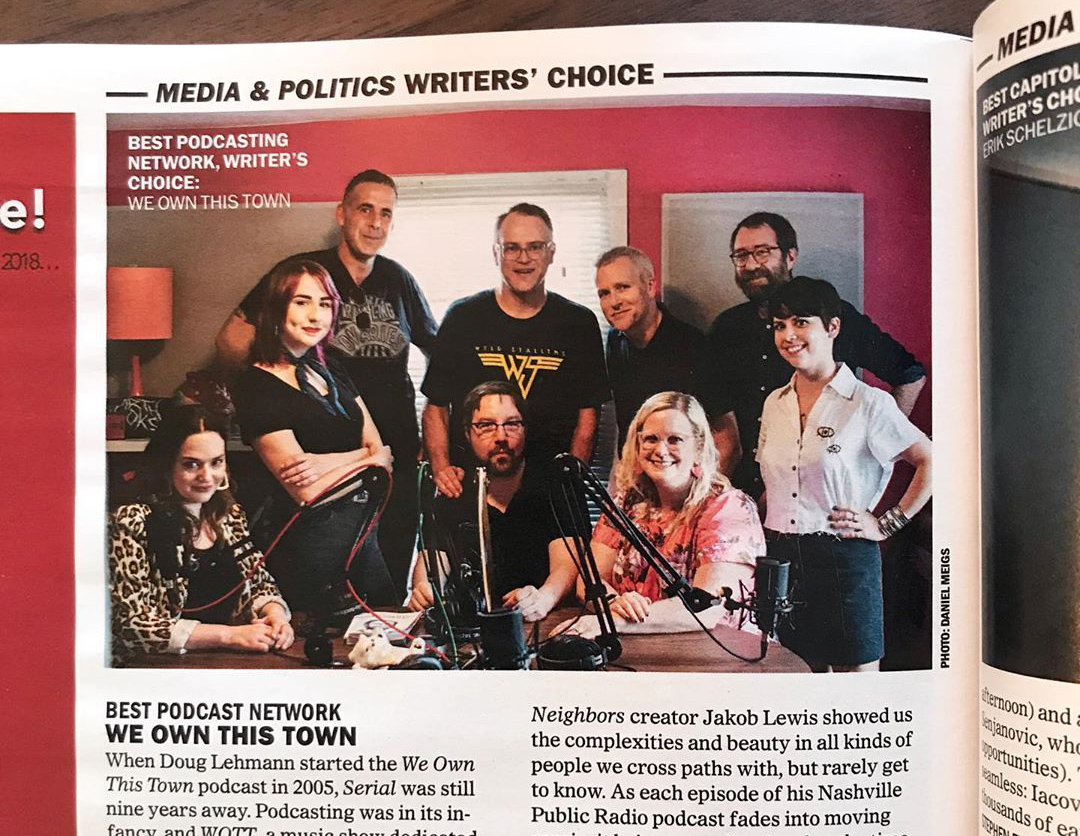
It goes without saying that we were absolutely thrilled and completely flattered to be named Best Podcast Network by the Nashville Scene in their Best of Nashville 2019 issue. We even got our picture in the paper!

While winning an award is certainly humbling, it serves as a real fire under our collective asses to do even better in 2020; more shows, more variety and raising more great Nashville voices.

Six New Shows

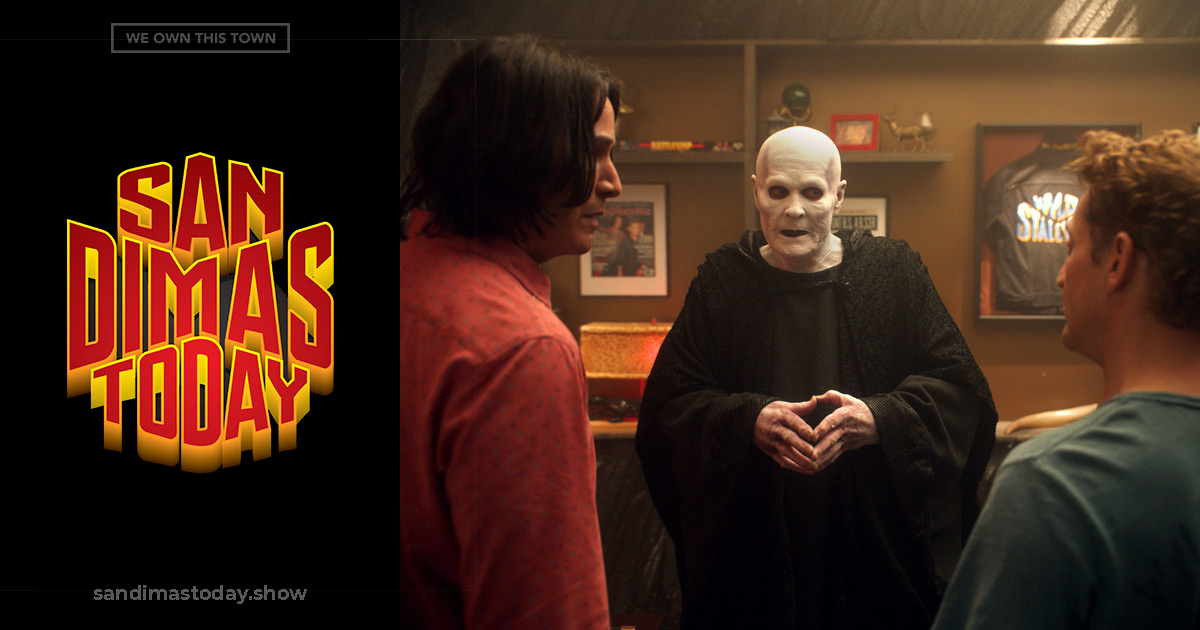
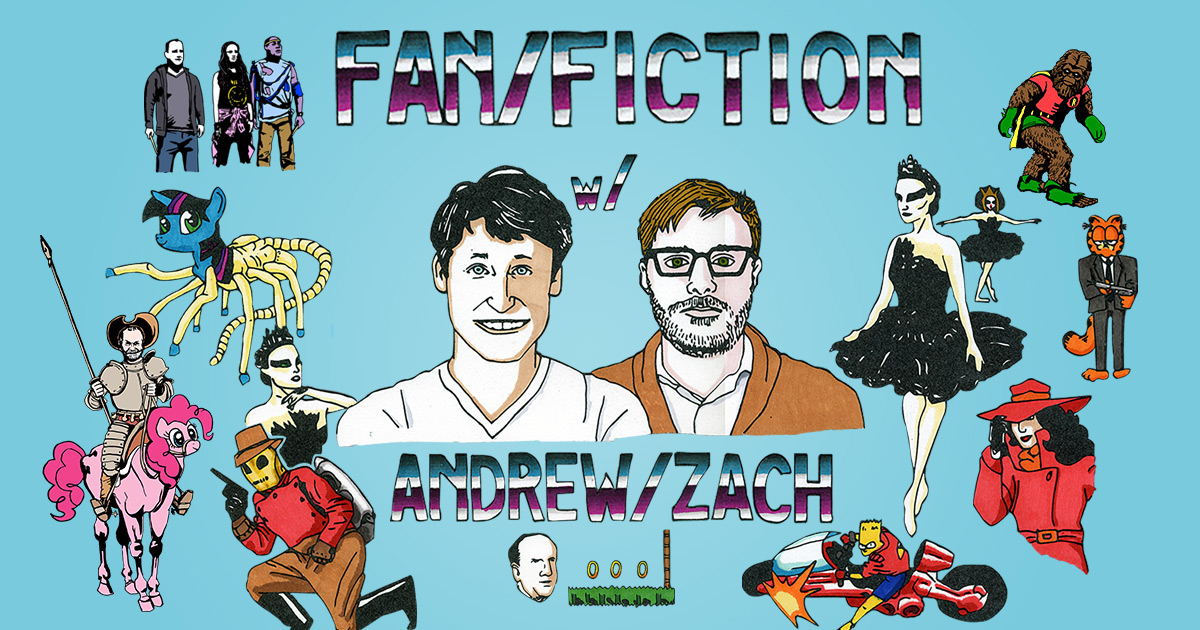
While we had plenty of new episodes from existing shows like San Dimas Today, Liquid Gold, Hott Minute and fan/fiction, we also added several new voices and stories to the fold in 2019. If you haven’t tuned in to any of these wonderful new offerings, now is the time to catchup.

Nashville Demystified – host Alex Steed moved to Nashville in February of 2019 and immediately set upon learning all he could about his new city. This show documents those conversations and discoveries. As it is published weekly, it is hard to say where to start here but you can’t go wrong with The Nashville Flame, Remembering Ernest P Worrell or a history lesson in Nashville’s White Supremacy Bombings.

Thick as Thieves – hosts Veronica Kavass and Sara Estes have both worked in art museums and as Private Investigators. As such, they are well equipped to talk through various Art Heists; as that intersection is right up their alley. Every heist is compelling but start with Abstract Expressionism in Tucson, AZ.

My Fantasy Funeral – Imagine you are dead. What songs would be played at your funeral? Who would give your eulogy? Where would your remains rest, forever more? These questions, and plenty more, are posed by host Ryan Breegle to a wide variety of guests to help unearth their life stories. You can’t go wrong with any episode but if you’re looking for a place to start, go with Bang Candy’s Sara Souther or multi-instrumentalist Larissa Maestro.

Ladyland – Kim Baldwin has been interviewing women from a wide spectrum of careers for years but 2019 found her renovating the format into a captivating conversational podcast. We recommend starting with Freya West for some insights on body and sex positivity or Tisha Wilson for some jaw-dropping time management. From there, you’ll be hooked.

Filmography Club – Film criticism is a tough art. Go too far down the rabbit hole and you sound like a pretentious prick, fail to contemplate the works at head enough and you sound like a dummy. Host Jason Caviness looks to refine those skills by tackling the body of work of one filmmaker per season and bringing in experts to discuss the creations. Season 1 is all about Paul Thomas Anderson, so start at the beginning with Hard Eight.

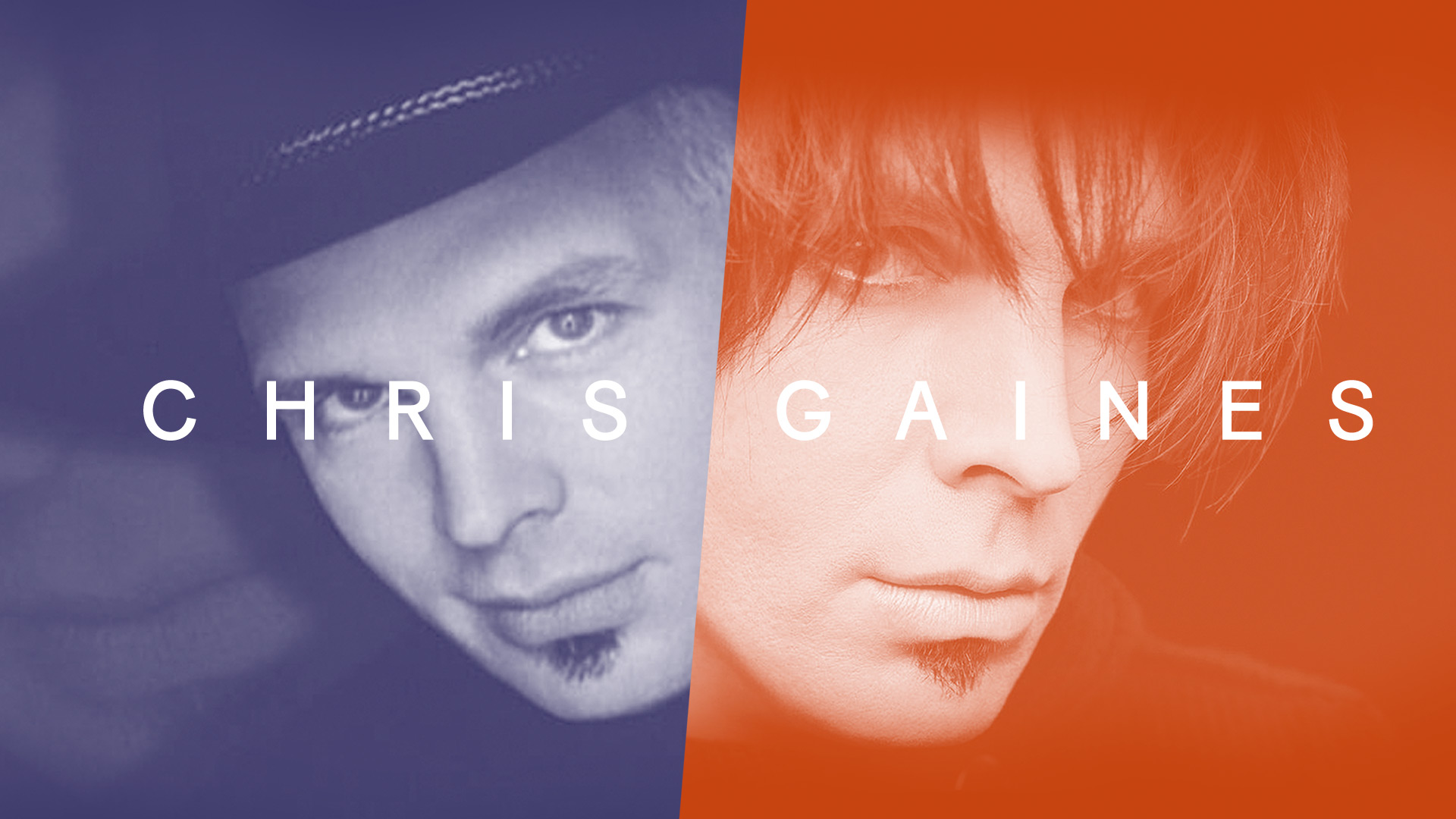
Chris Gaines: The Podcast – Hosts Ashley Spurgeon and Michael Eades share an unhealthy obsession with the brief period of time in 1999 when country superstar Garth Brooks revealed a fictional persona to the world named Chris Gaines. The two of them go deep on all the details in celebration of the twentieth anniversary of the reveal. You gotta start at the top.

201

New Episodes Posted

155

Hours of Entertainment

128

New Music Reviews

We’re a small operation over here at We Own This Town but through the course of 2019 we managed to push some fairly impressive numbers. There’s just over two hundred new podcast episodes totaling over 155 hours of listening. That’s nearly a solid week of listening to back-to-back episodes every day, Sunday through Saturday, to hear it all.

We also published reviews and debuts for over 120 music releases. Given the onslaught of releases for a given calendar year, that’s not nearly covering everything but it’s still a helluva lot of great new music for you to hear.


We also ran a bunch of fake billboard ads that, despite the poor Photoshopping, trick a good deal of folks! We sponsored some shows, threw our own parties and helped facilitate some great absurdity… just to name a few highlights. Not too shabby.

Looking ahead to 2020, we plan to stay the course. We’ve got several new shows in the pipeline, some favorites coming back for new delights and aspirations to get out into the real world more. We are immensely thankful for anyone taking the time to read, listen or share what we’re doing. We’re indebted to you and can’t wait to keep churning out better and better treats.

Thank You

Hurts to Laugh – “Mister Nineteen Eighty More” (Official Video)

Over the years, Hurts to Laugh has slowly allowed themselves to transition from being an over-the-top heavy rock band to being a politically vocal, over-the-top heavy rock band. This transition seems to be officially complete with the release of “Mister Nineteen Eighty More,” an anthem for our political times if ever there was one.

The video sets singer and guitarist Cliff Cobain in front of projected images of combat footage, dictators and various world tragedies as he croons into the mic. Lyrically, the song doesn’t pull any punches. Cobain’s persona of the titular character is self-indulgent, disdainful of anyone who dares disagree and serves as a clear warning sign of the road ahead. Musically, it’s a big riff rock song that Hurts to Laugh has proven their aptitude with. While there aren’t too many surprises in that department, it’s great to see the band step out and speak so directly to the issues they see before them.

As luck would have it, this video debuted one day before the 45th President of the United States was impeached. What lies ahead for our country and for the divisions of our political parties is a giant question mark but maybe, just maybe, it’s a sign that Mister Nineteen Eighty More will suffer a setback in reaching the dystopian laid out here.

The track is available on Bandcamp and on limited edition 7″ starting Feb 2020.

The Egg Nog Riots of 1824, Nog recipes and a Nogapalooza Special Report

Hosts Mike and Kenneth deep dive into all things Nog in the show’s first anniversary episode. They open with egg nog origins, the Eggnog Riot of 1824, give some special nog recipes, before Mike reports live from Nogapalooza 2019. Booze News takes a very long Uber ride.

Music by Upright T-Rex Music.
Logo by Jess Machen